
Project
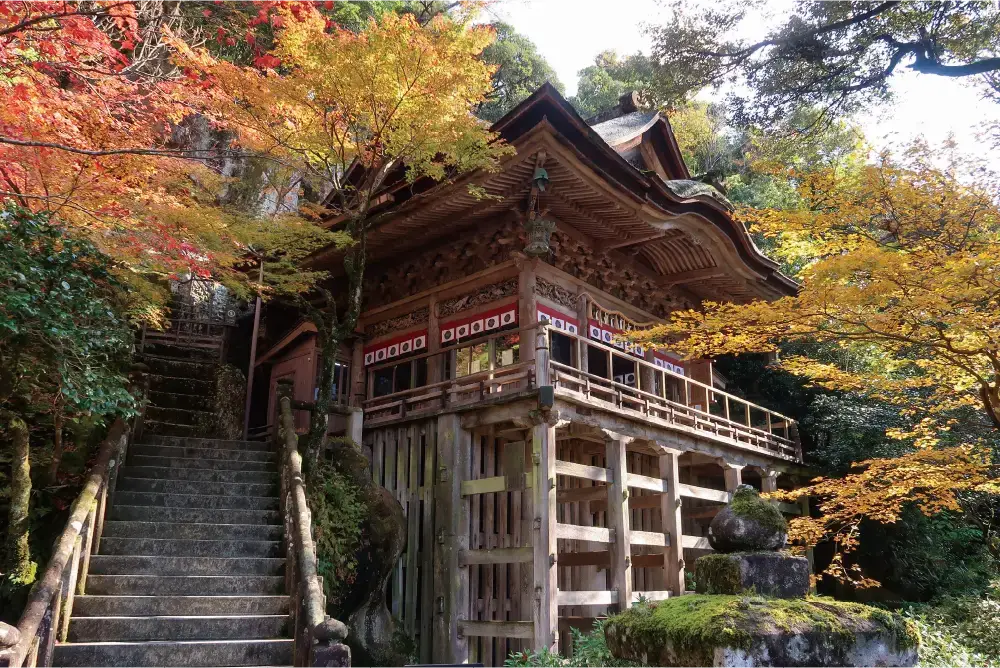

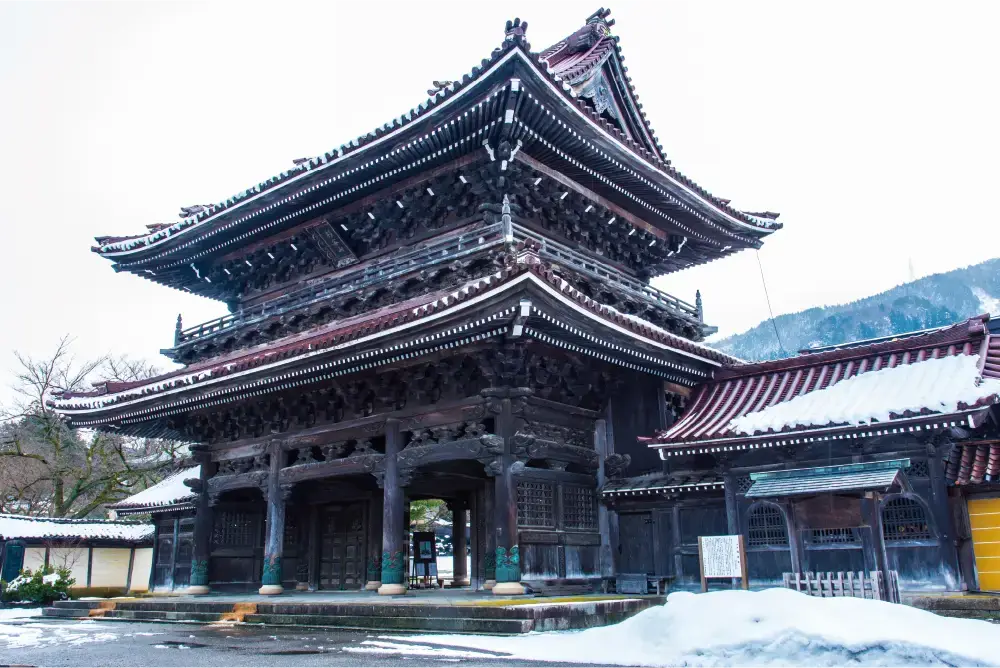
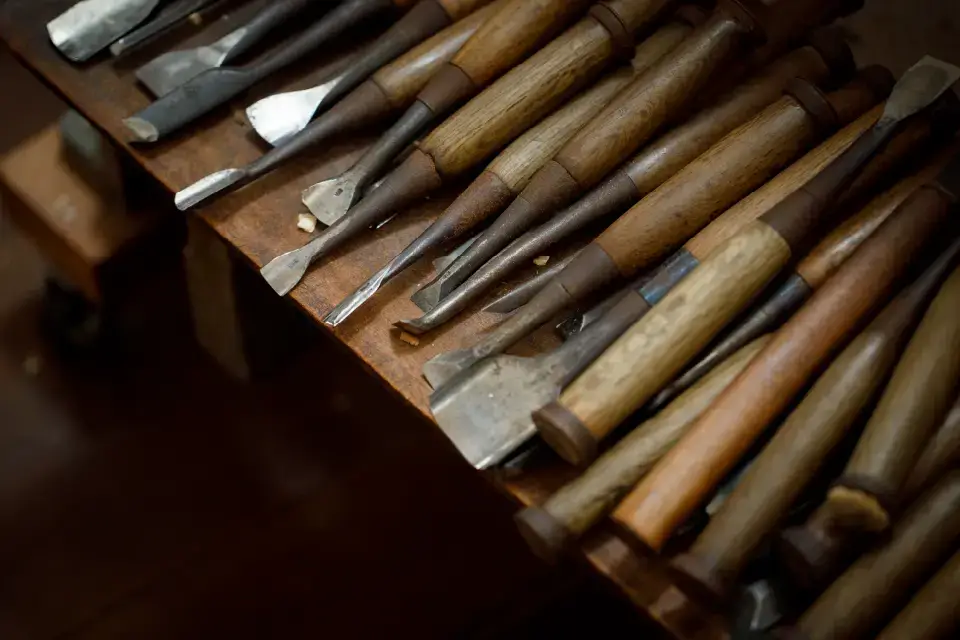
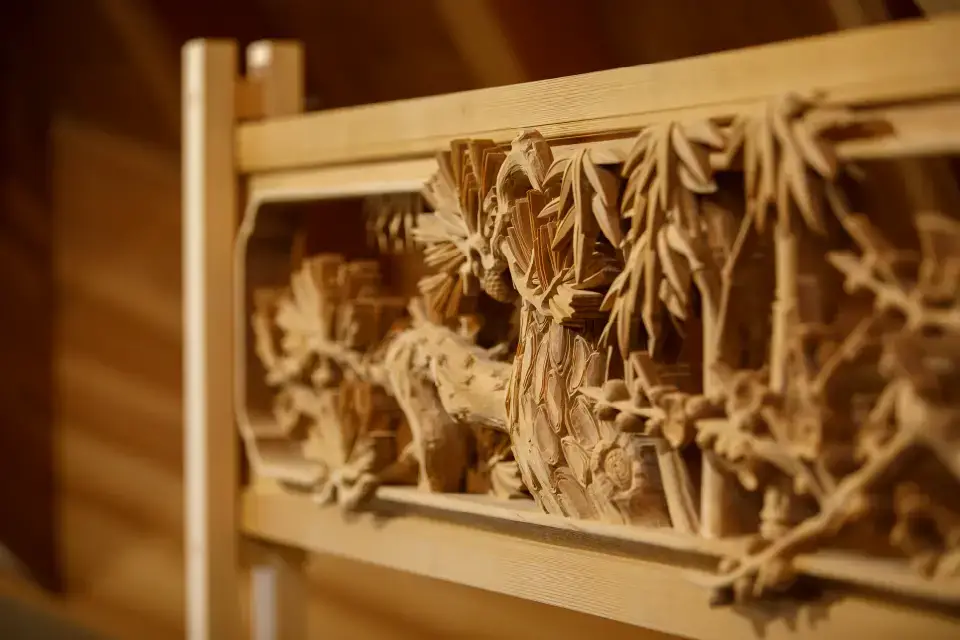
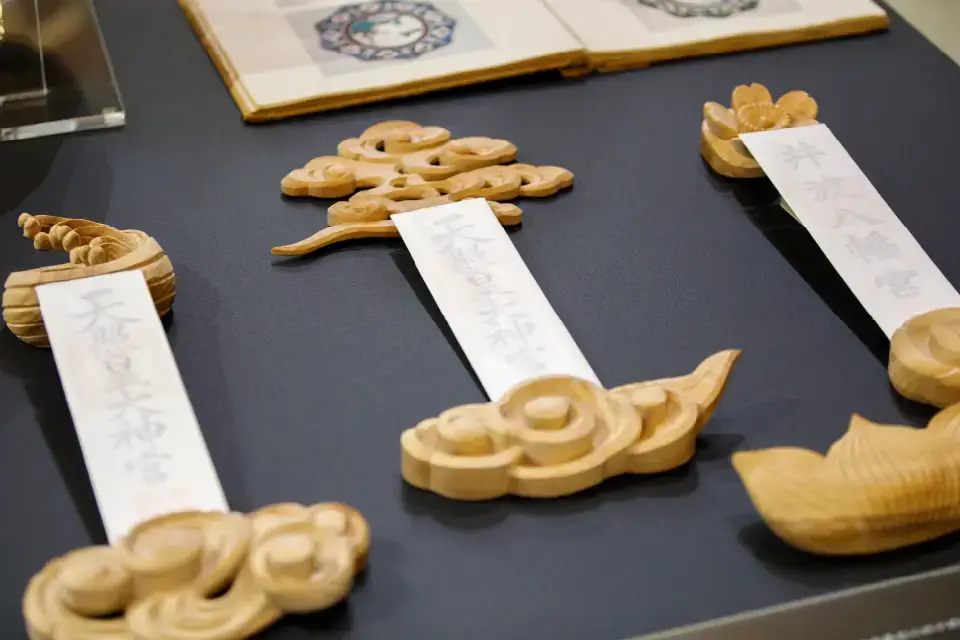
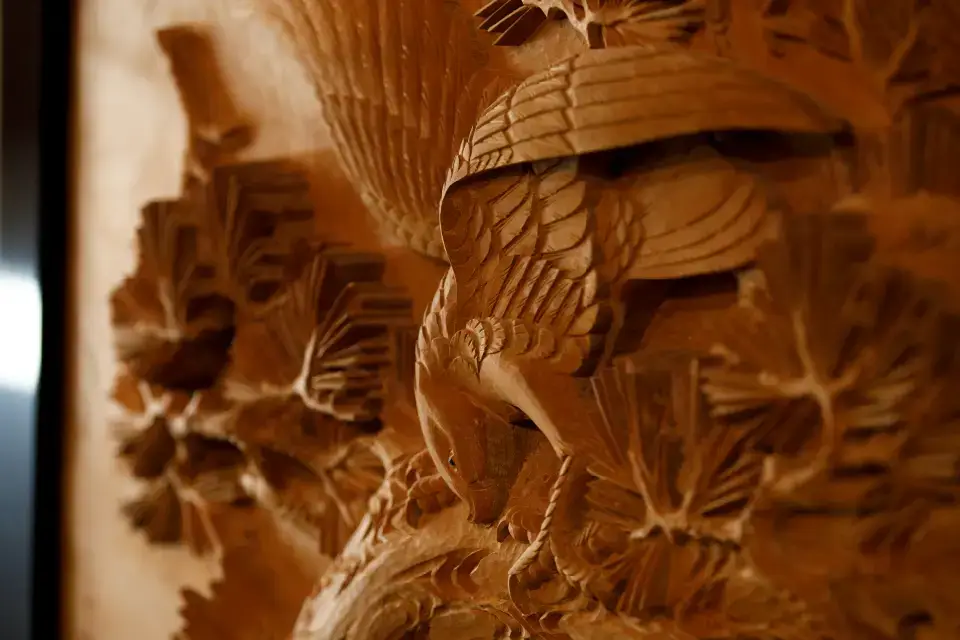
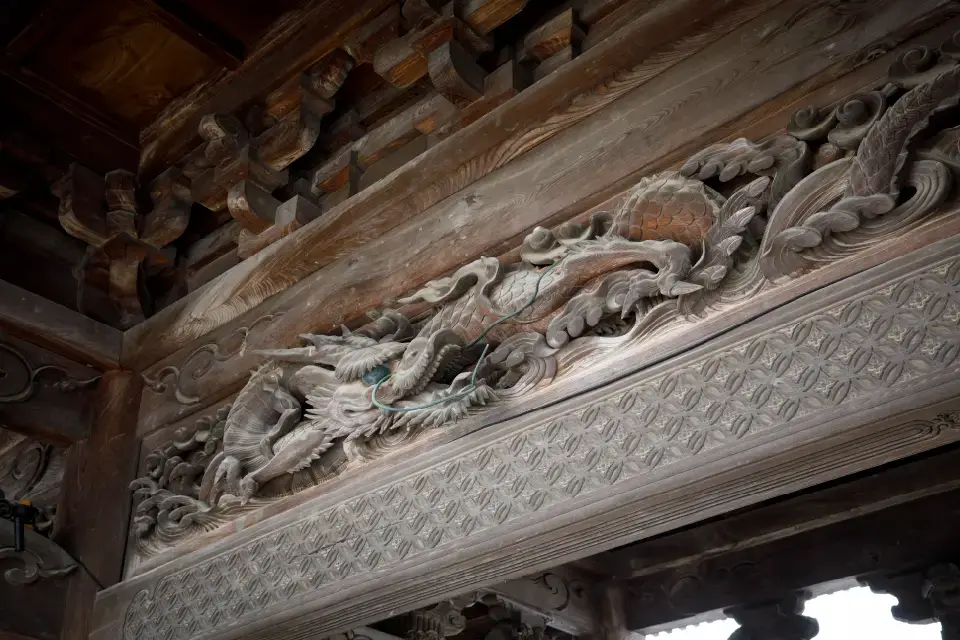
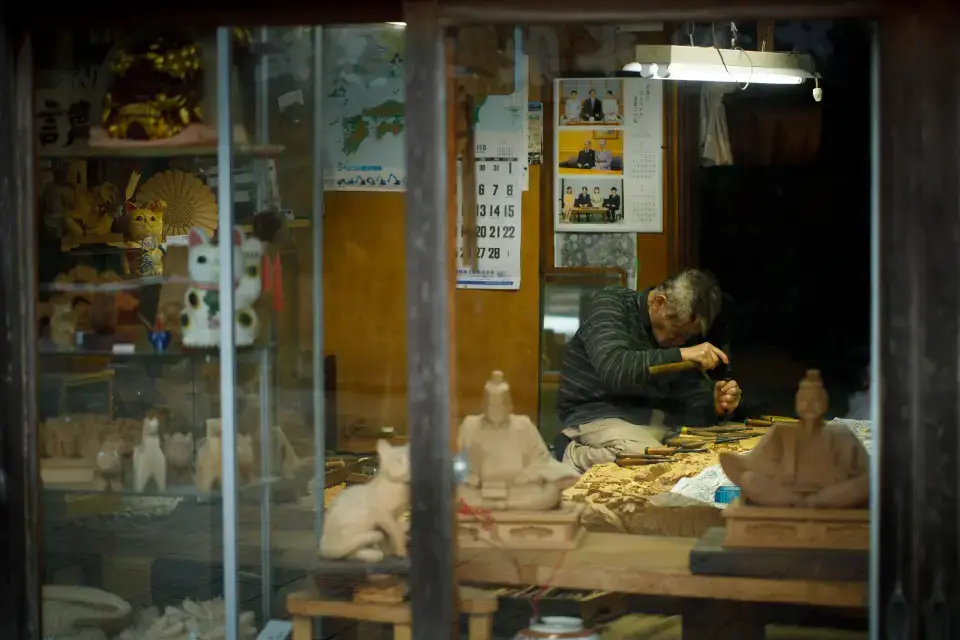
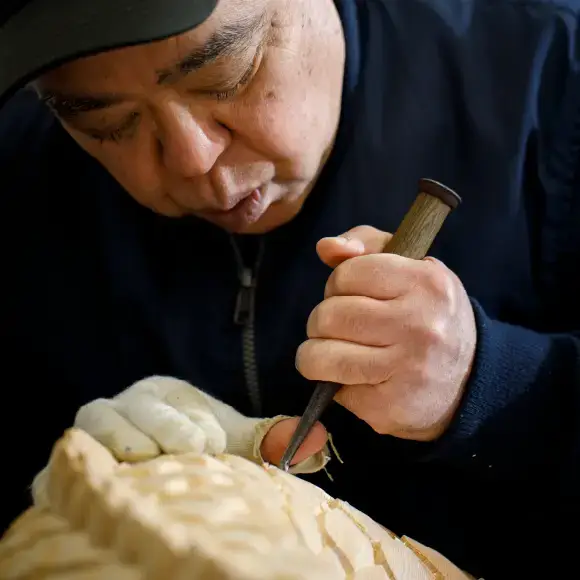
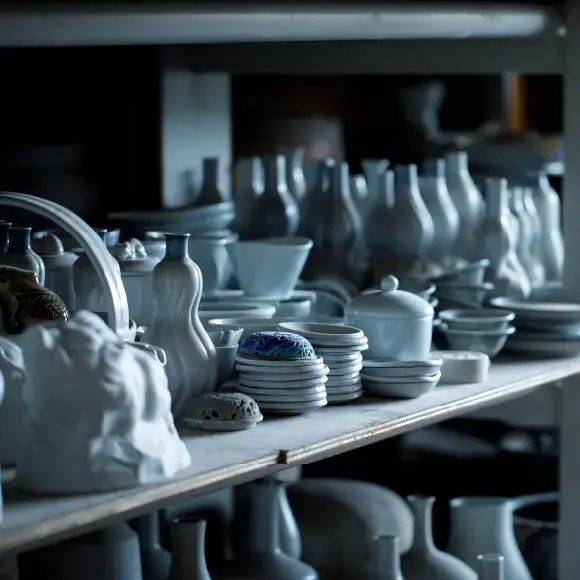
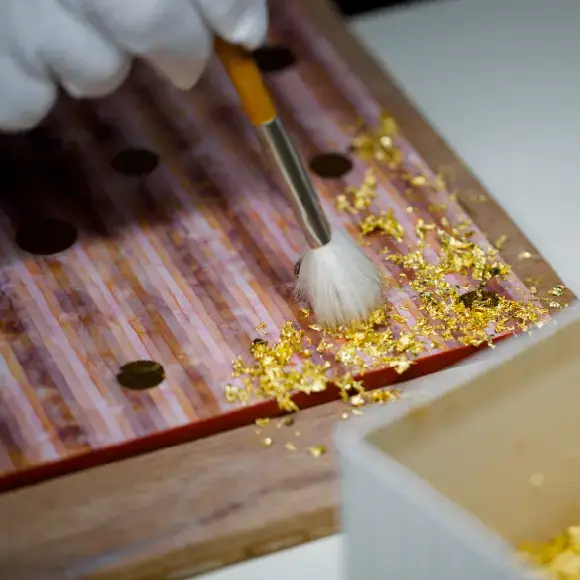
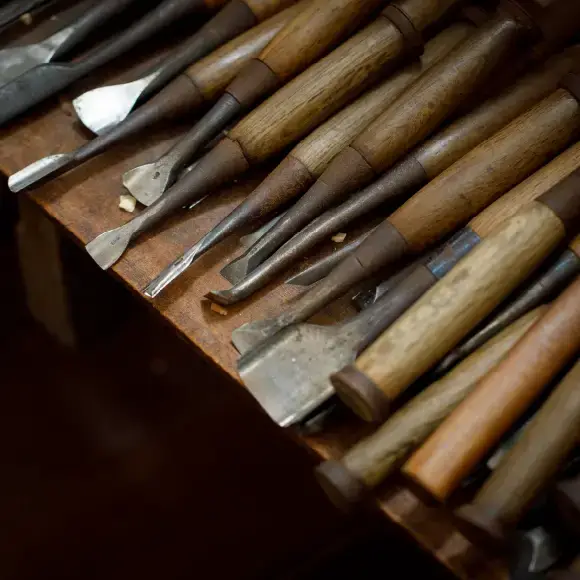
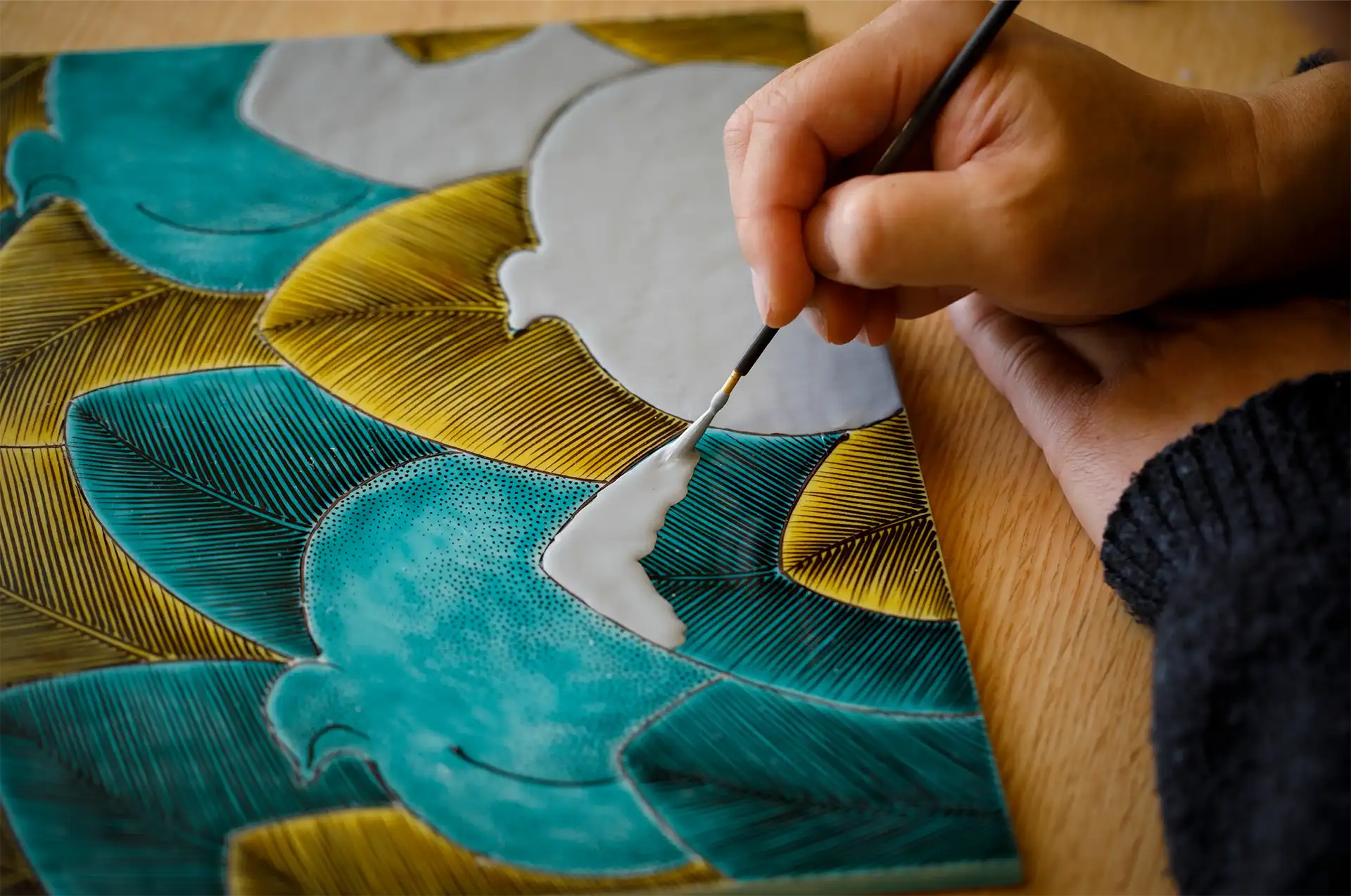
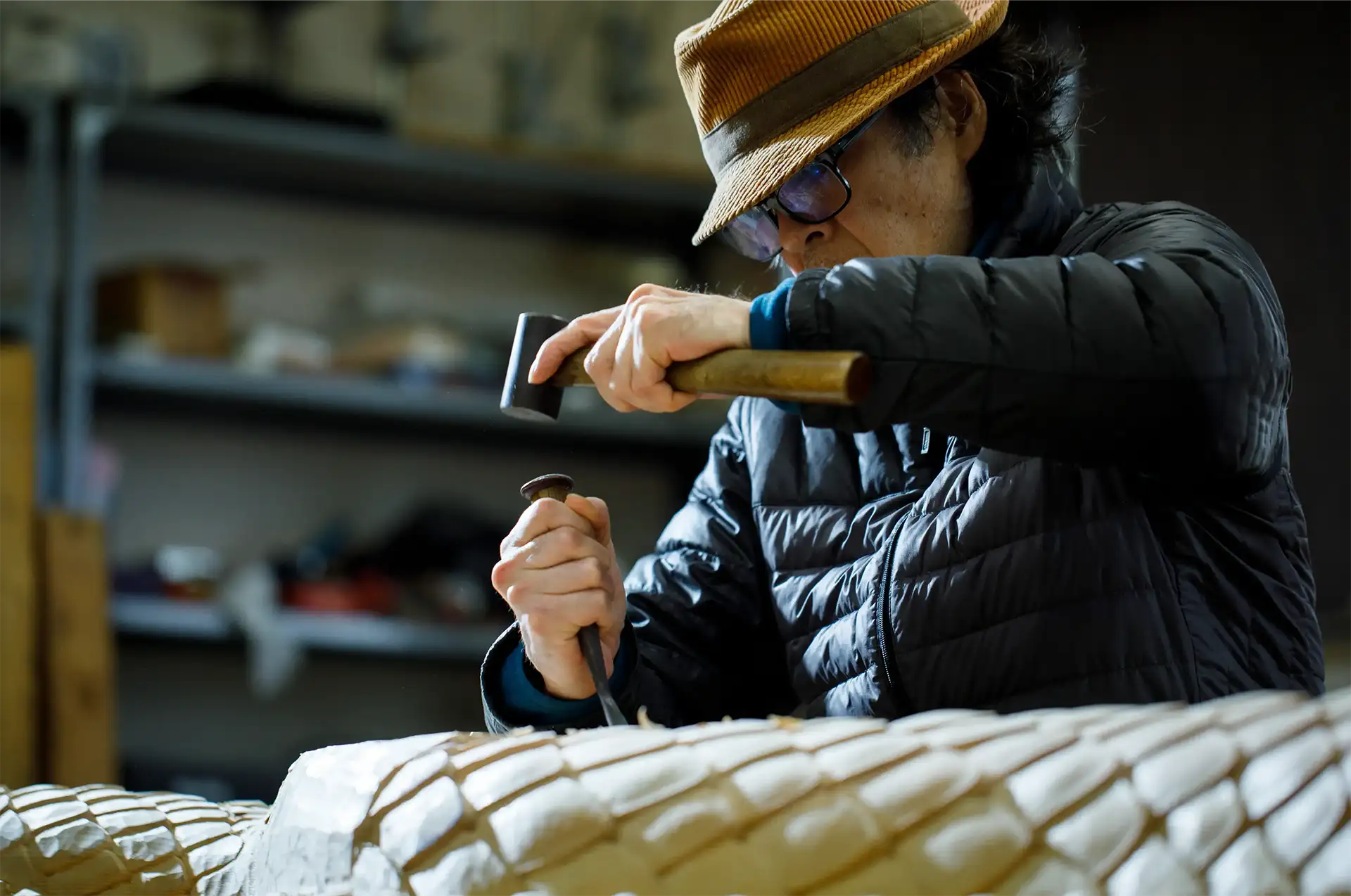
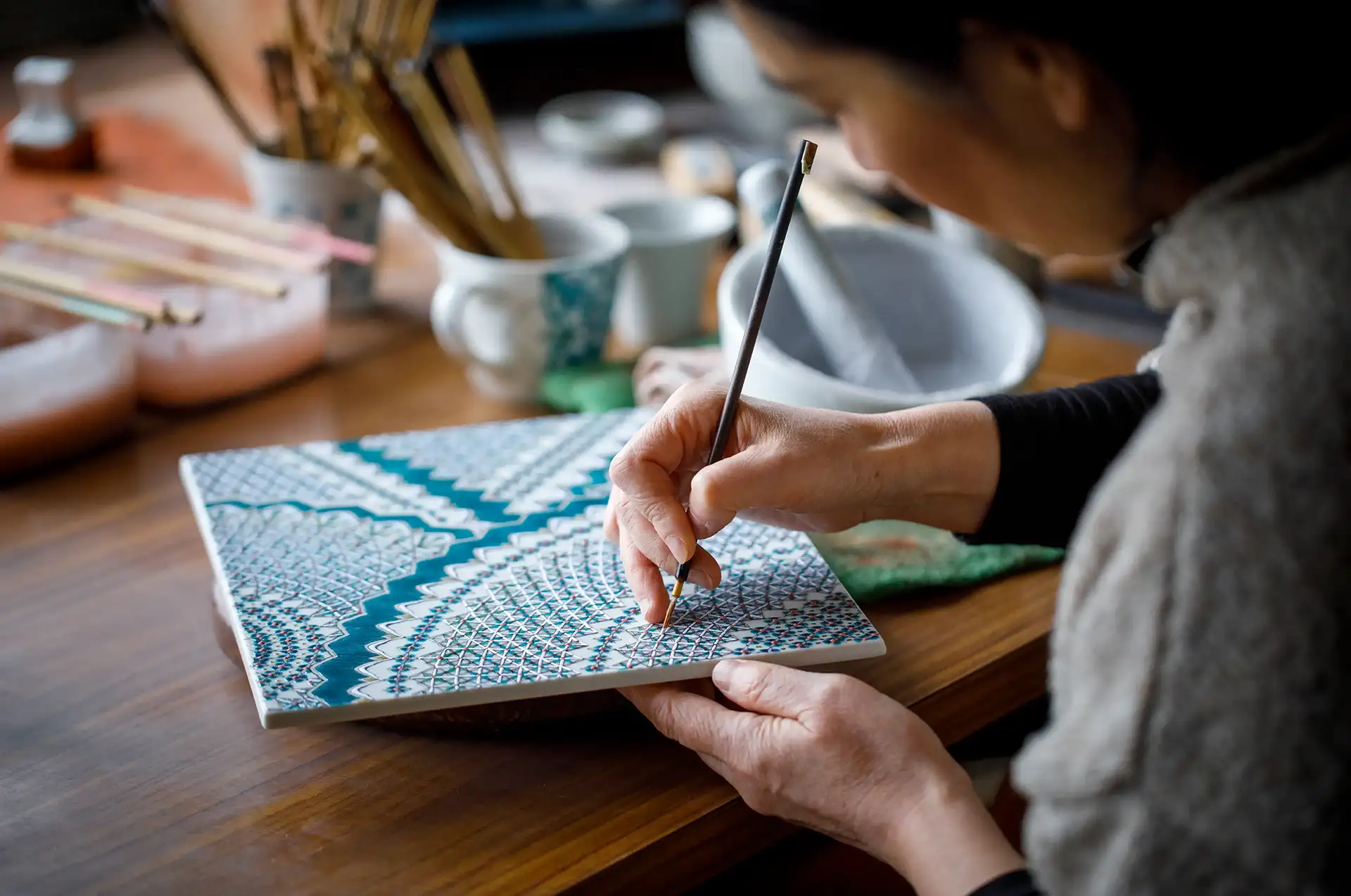
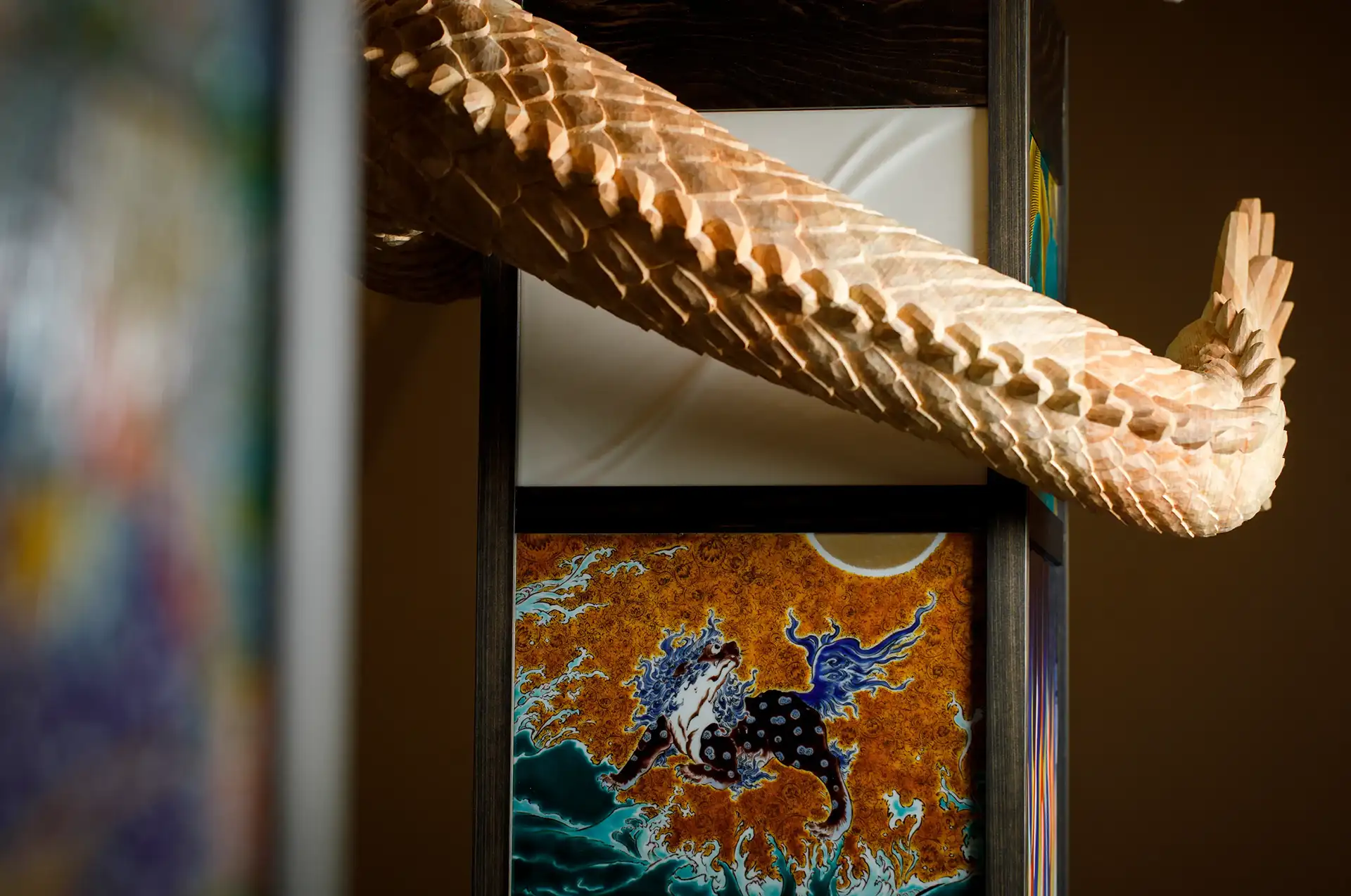
Since ancient times, spiritual beliefs in the natural world have been integral to the cultures of Nanto and Komatsu. In Nanto, these are referred to as “dotoku,” while in Komatsu they are known as “jinenchi.” Inami woodcarving (of Nanto) and Komatsu Kutani ware, meanwhile, are both nationally designated traditional craft products and important traditional industries within their respective communities. In both crafts, artisans create objects of beauty from natural materials such as wood (in Inami woodcarving) and stone (in Kutani ware) by applying highly advanced techniques developed and transmitted in harmony with nature.
Dotoku: a form of dignity fostered by harsh natural environments in which people support each other in their daily lives, giving thanks for the rich blessings of nature and for each other.
Jinenchi: practices derived from mountain worship in which people seek wisdom by revering and praying to natural features like large rocks, mountains, and caves.
Furthermore, Kutani ware and Inami woodcarving are both included in pieces of Japan Heritage, reflecting their status as important cultural legacies within their communities.
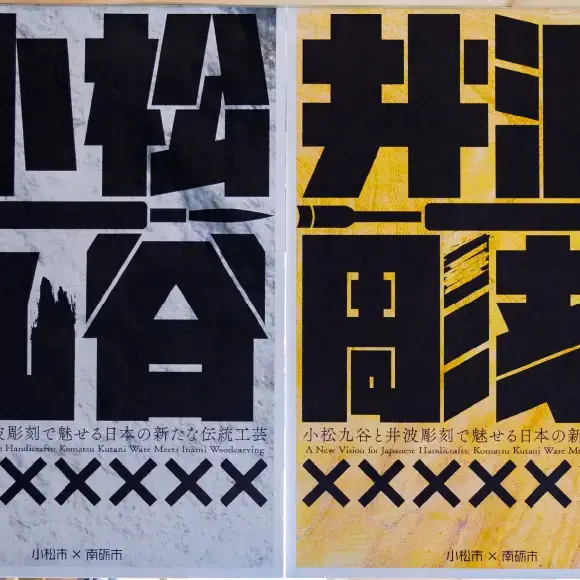
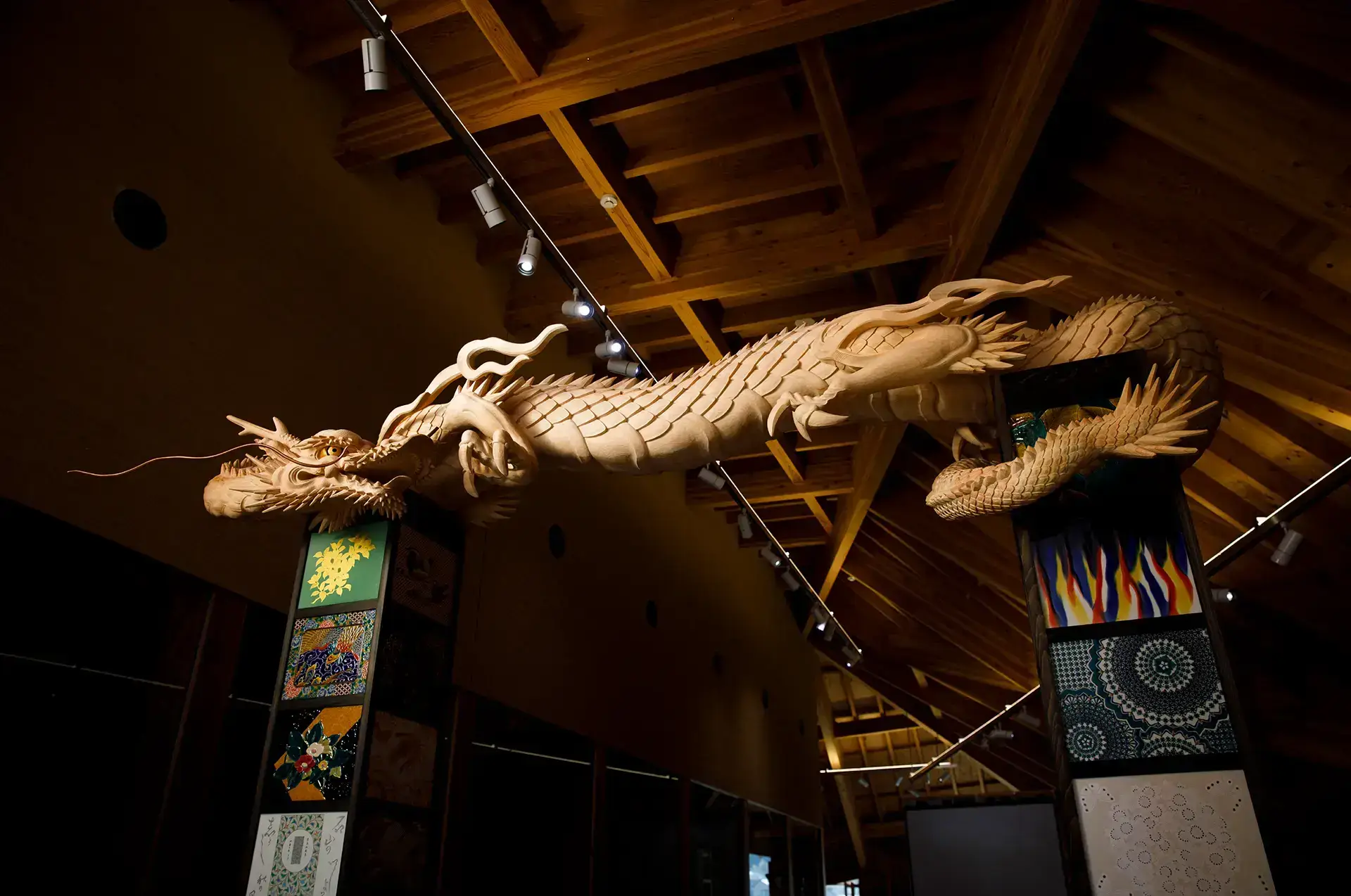
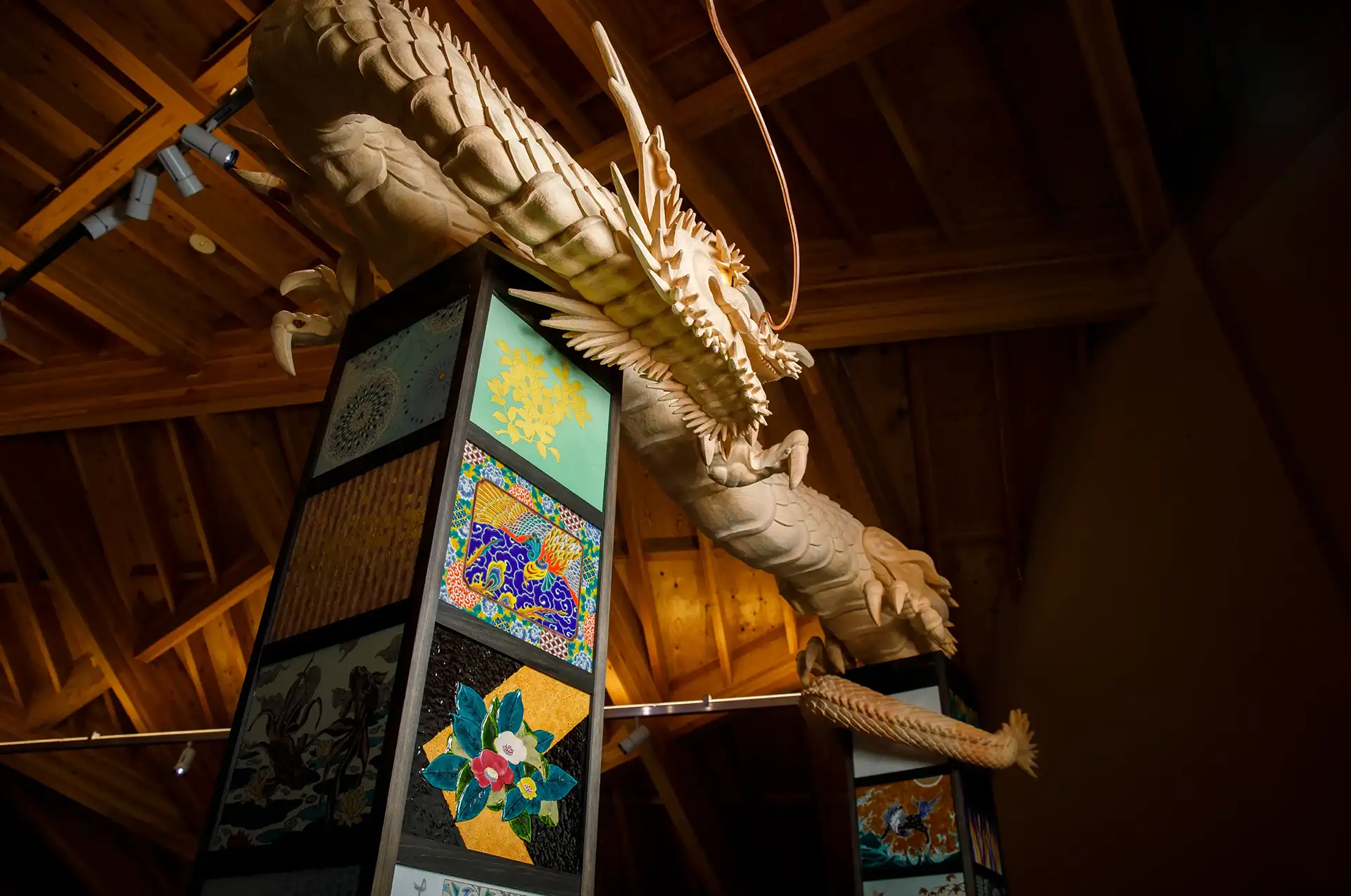
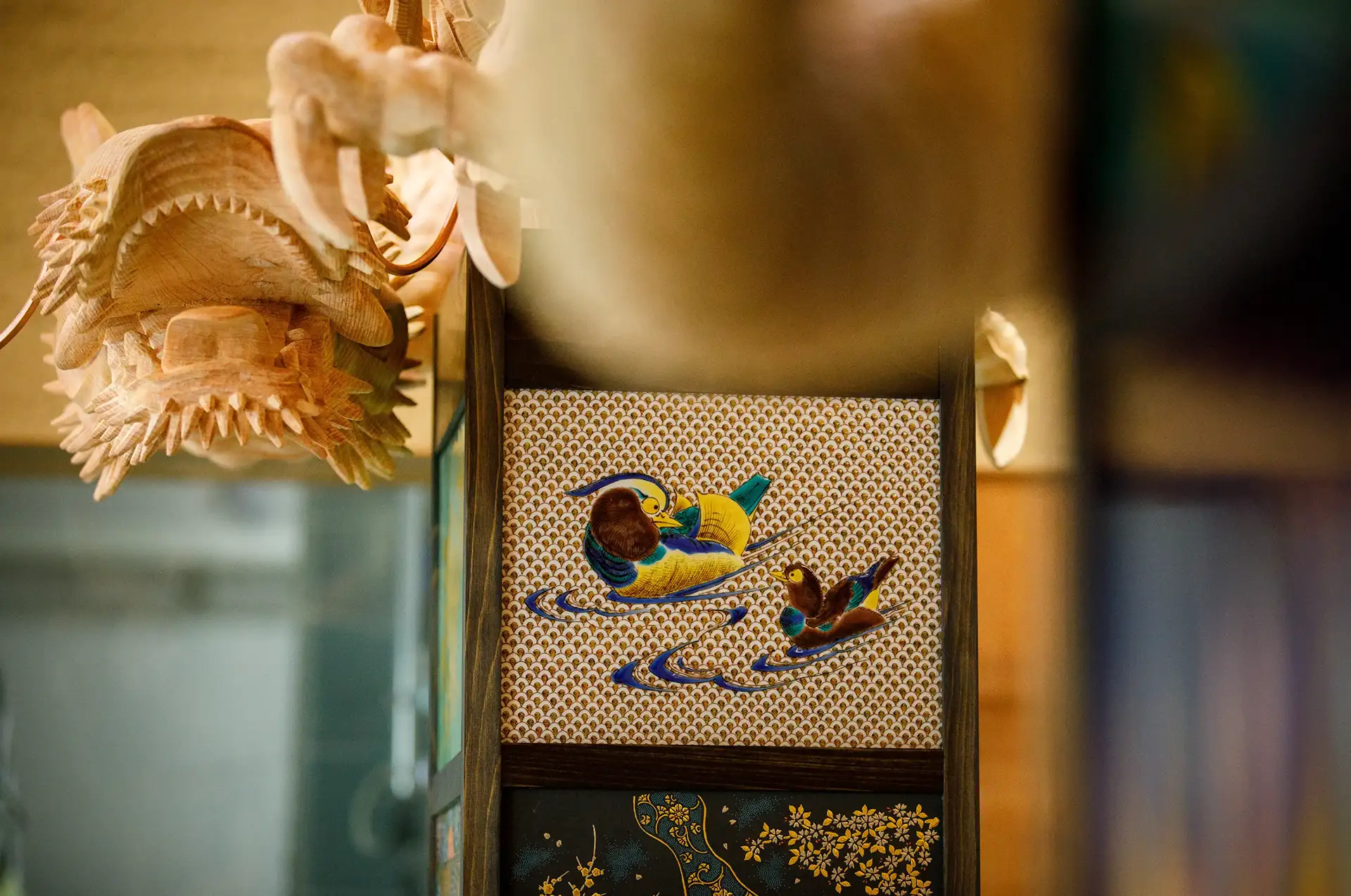
These ties between our two cities have led us to collaborate on an exhibit at this year’s Expo themed around Inami woodcarving and Kutani ware, our cities’ traditional handicrafts. Our collaboration is a new attempt to support the development of, find successors for, and ultimately transmit to future generations these wonderful traditions by creating a new marriage between Inami woodcarving and Kutani ware and sharing them with the world.

Komatsu Kutani
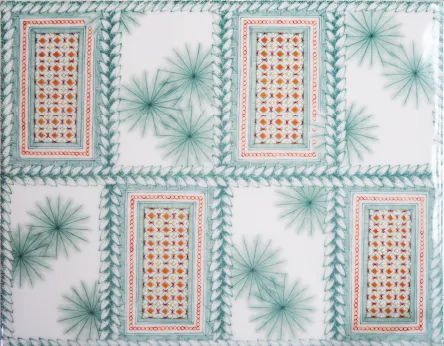
Kido Yukiko
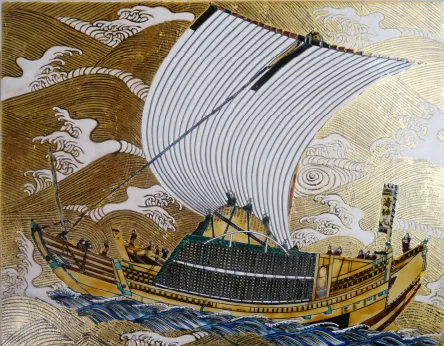
Kitamura Takashi
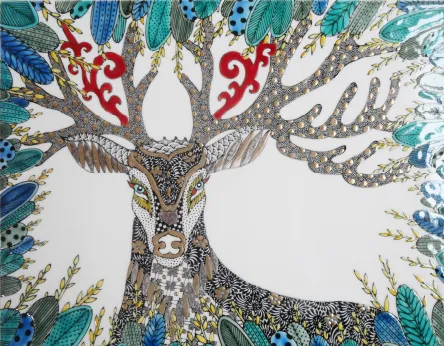
Kitamura Kazuyoshi
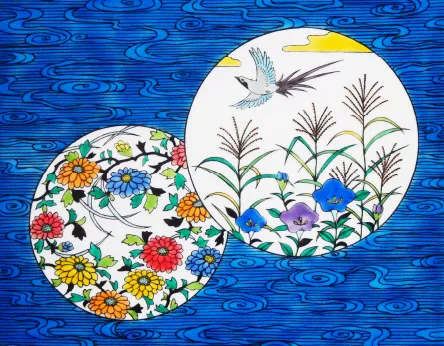
Ukita Kengou

Minami Miyuki

Tokuda Yasokichi
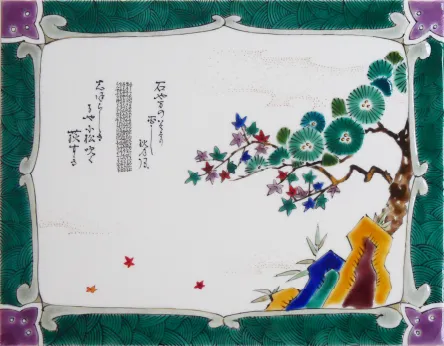
Tamura Seito
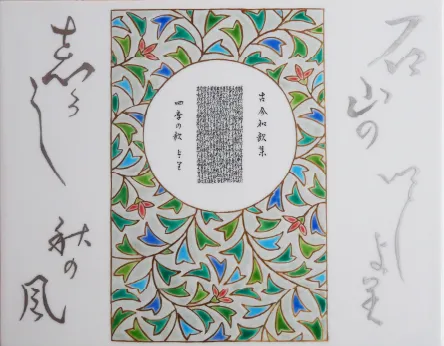
Tamura Keisei
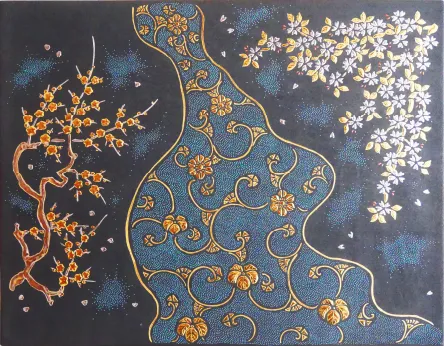
Nakada Kingyoku

Nakata Hiroshi
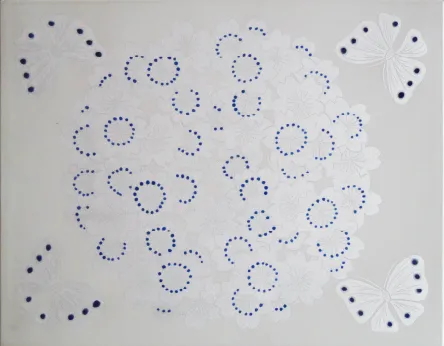
Nakata Kazuo

Nakamura Toshito
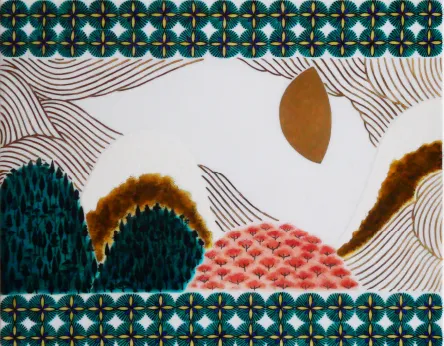
Uchida Yukio
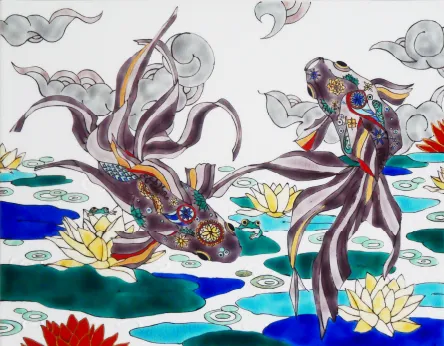
Muramatsu Michi
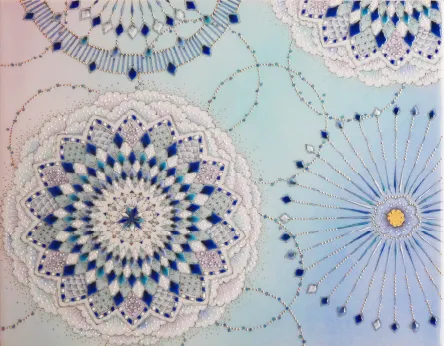
Hayasuke Chiharu
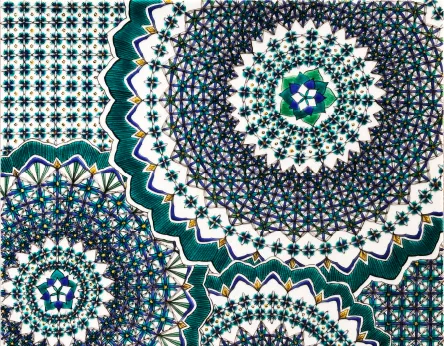
Asakura Kazuka
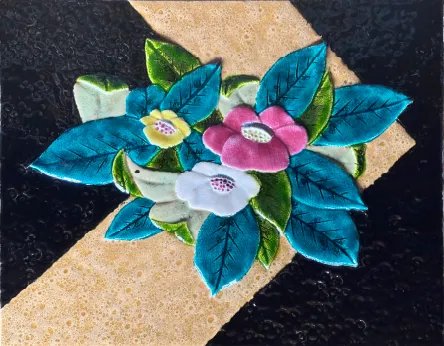
Asakura Isokichi
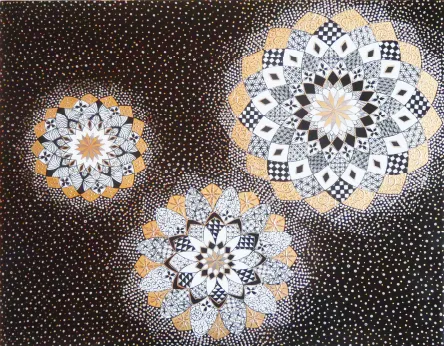
Ishitomi Shunjiro
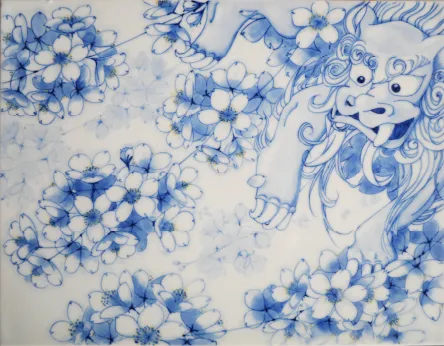
Mori Kyouko
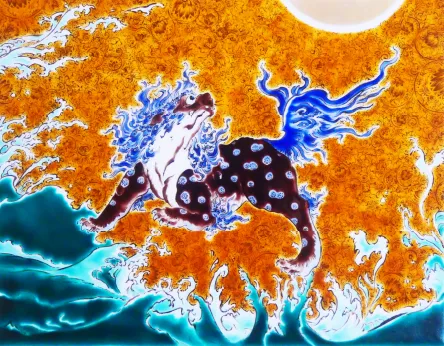
Yamanaka Kunimori
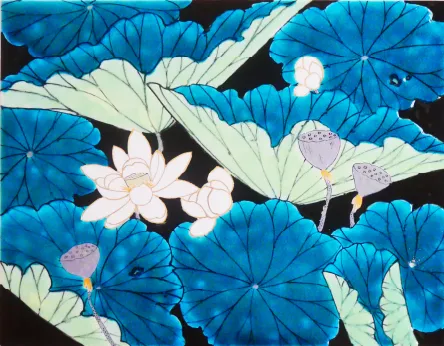
Yamaguchi Yoshihiro
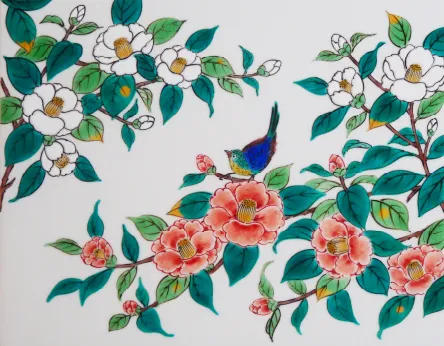
Mitsui Tamekichi
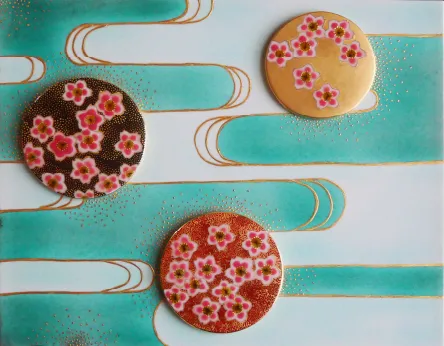
Taka Toshifumi
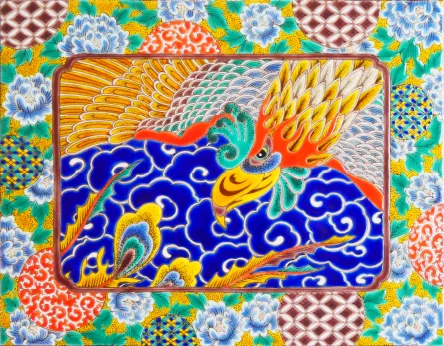
Hasegawa Takayuki
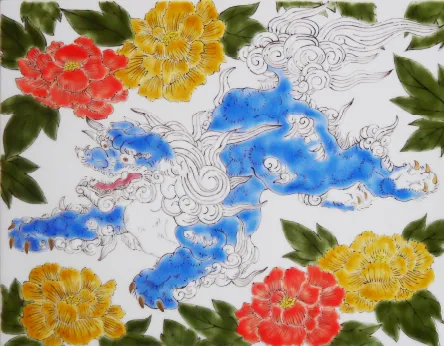
Gannyo Takayuki

Miyamoto Tadao
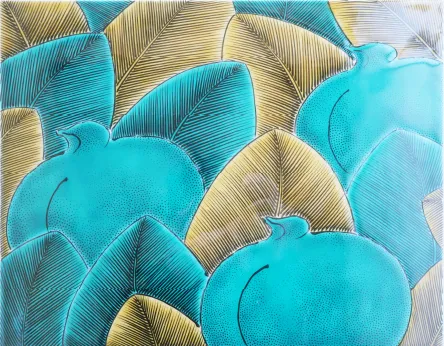
Miyamoto Masao
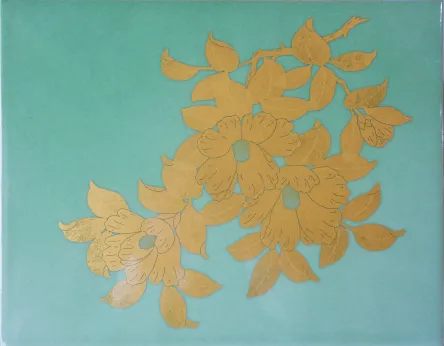
Yoshita Minori
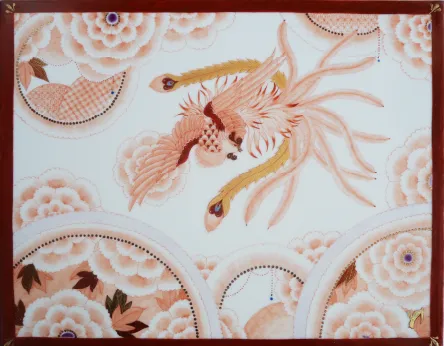
Yoshita Junko
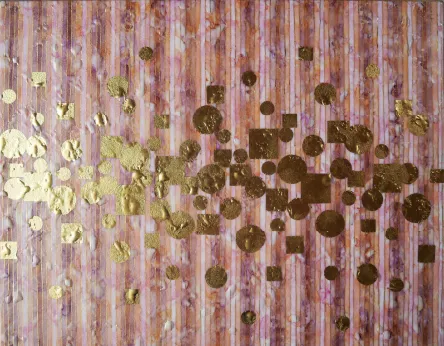
Yoshita Yukio
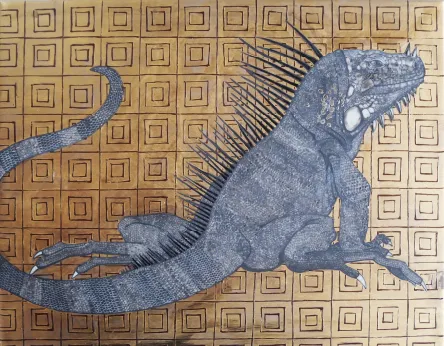
Inoue Masako
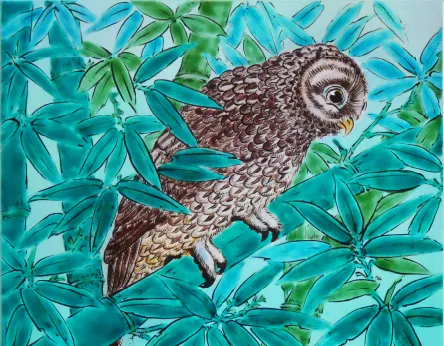
Miyama Tomi


Inami Woodcarvings